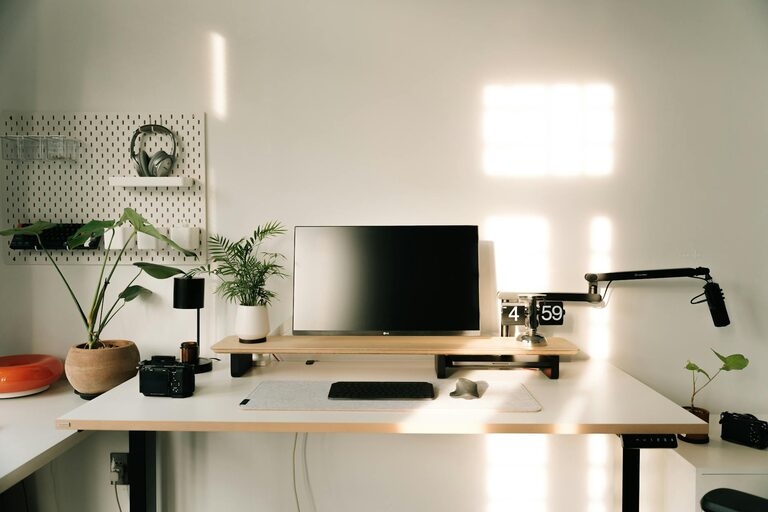



Creating a productive home office environment is essential for anyone working remotely or managing tasks from home. A well-designed workspace fosters focus, reduces distractions, and helps maintain a healthy work-life balance. Whether you have a dedicated room or a small corner, these tips will guide you in setting up an efficient and comfortable home office.
Choose the Right Location
Selecting the best spot in your home for your office is the first step to productivity. Ideally, find a quiet area with minimal foot traffic and distractions. Natural light is a bonus—it can improve mood and reduce eye strain. If possible, avoid working in your bedroom to separate work and rest areas clearly.
Invest in Ergonomic Furniture
Comfort plays a huge role in productivity. A supportive chair and an adjustable desk can prevent discomfort and reduce the risk of posture-related issues. Look for chairs with lumbar support and desks at a suitable height to keep your arms at a 90-degree angle when typing.
Organize Your Workspace
Clutter can be distracting. Keep your desk tidy by using storage solutions like drawers, shelves, or filing cabinets. Use trays or organizers for office supplies such as pens, paperclips, and notebooks. Regularly declutter your space to maintain focus and efficiency.
Optimize Lighting
Good lighting reduces eye strain and keeps you alert. Position your desk where natural light is abundant, but avoid glare on your screen. Supplement with a desk lamp that offers adjustable brightness and color temperature to suit different times of the day.
Minimize Noise Distractions
Noise can disturb concentration. If loud sounds are common in your environment, consider noise-cancelling headphones or white noise machines. You might also use rugs, curtains, or acoustic panels to dampen sound in the room.
Personalize Your Space
Adding personal touches can make your workspace more inviting and inspiring. Include plants, artwork, or items that uplift your mood. Just be careful not to overdo it—too many decorations can become distracting.
Set Boundaries
Establish clear work hours and communicate them to household members. Creating physical or symbolic boundaries, like closing a door or using signage, helps minimize interruptions. Taking breaks away from your desk is also important for maintaining focus.
Use Technology Wisely
Ensure your internet connection is stable and your devices are up to date. Use productivity tools and apps to manage tasks, schedules, and communication efficiently. Avoid multitasking on unrelated devices during work hours to stay on track.
Maintain Good Air Quality
Fresh air and a comfortable room temperature contribute to concentration and well-being. Open windows when possible or use air purifiers to improve air quality. Keep the temperature pleasant to avoid distractions caused by discomfort.
Keep a Routine
Start your day with a consistent routine to signal the beginning of work hours. Having a morning ritual, such as making a cup of coffee or reviewing your to-do list, prepares you mentally for the day ahead. Likewise, ending your day with a wind-down routine helps separate work from personal time.
—
By applying these tips, you can create a home office environment that supports productivity and comfort. Remember, a workspace tailored to your needs not only improves focus but also enhances your overall work-from-home experience.