


Creating a relaxing home workspace is essential for maintaining focus and productivity, especially in today’s world where many people work remotely. When your work area is comfortable and calming, it not only reduces stress but also helps you stay motivated and efficient. Whether you have a dedicated room or just a small corner in your home, making some thoughtful changes can transform your workspace.
Why a Relaxing Workspace Matters
Your environment greatly influences how well you perform your daily tasks. A cluttered or uncomfortable workspace can cause distractions, fatigue, and even physical discomfort. On the other hand, a space designed to promote relaxation encourages a clear mind, better concentration, and sustained energy. This balance helps you get more done in less time.
Choose the Right Location
Find a Quiet Spot
Select a place in your home where you are least likely to be interrupted. This could be a spare room, a quiet corner, or near a window with natural light. Minimizing noise and distractions is crucial to creating a calm setting.
Consider Lighting
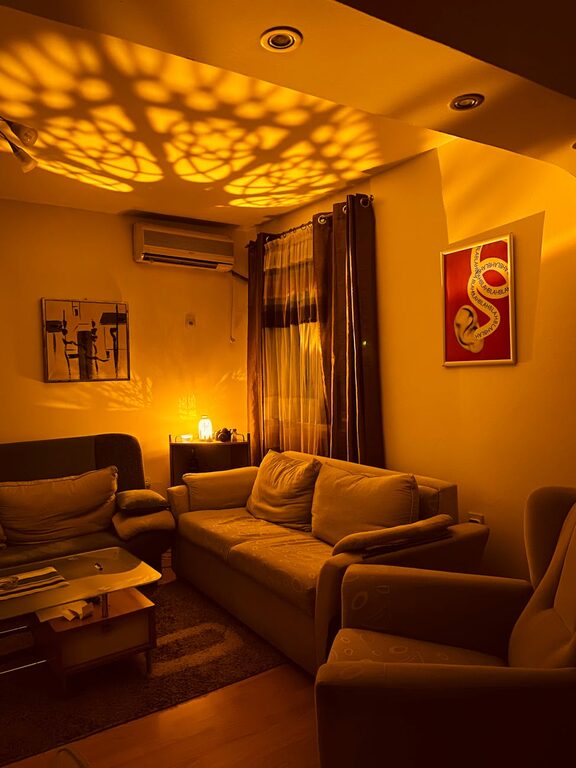
Good lighting improves mood and helps reduce eye strain. Aim for natural light when possible by positioning your desk near a window. If natural light isn’t an option, use soft, warm artificial lights rather than harsh fluorescent bulbs.
Invest in Comfortable Furniture
Ergonomic Chair and Desk
A comfortable, ergonomic chair supports your posture and reduces fatigue. Your desk should be at a height that allows your forearms to rest parallel to the floor. Investing in quality furniture may seem costly, but it pays off with better comfort and productivity.
Add Supportive Accessories
Consider accessories like a footrest, wrist supports, or an adjustable monitor stand to maintain healthy body alignment and reduce strain during long work sessions.
Create an Organized and Clutter-Free Space
Declutter Daily
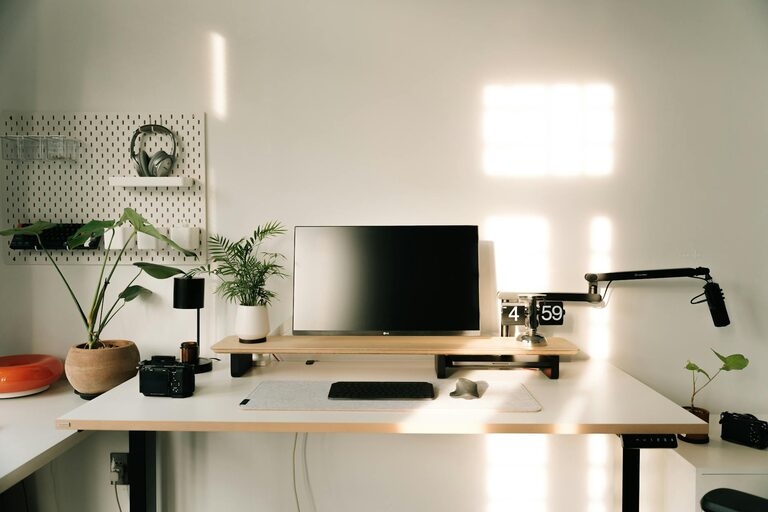
Keep only essentials on your desk. A clean surface promotes a clutter-free mind. Sort through papers, stationery, and gadgets regularly and store or discard what you don’t need.
Use Storage Solutions
Boxes, shelves, and drawer organizers make it easier to keep items out of sight but within reach. Label containers if necessary to find things quickly.
Incorporate Soothing Elements
Use Calming Colors
Colors like soft blues, greens, or neutrals tend to relax the mind and reduce anxiety. Consider painting your workspace walls or selecting accessories in these tones.
Add Plants
Indoor plants enhance air quality and have a calming effect. Small potted plants like succulents or herbs can fit even on a tiny desk and bring a touch of nature indoors.
Play Gentle Background Music
If ambient sound helps you concentrate, try listening to instrumental music, nature sounds, or white noise at a low volume.
Manage Technology and Tools Efficiently
Minimize Screen Glare
Position screens to avoid reflections from windows and lights. Using an anti-glare screen protector can also help.
Organize Cables
Use cable ties or clips to prevent cords from tangling or creating a mess, which can be distracting.
Use Technology to Your Advantage
Productivity apps, timers, and reminders can keep you on track without adding stress.
Establish a Routine and Boundaries
Set Clear Work Hours
Designate specific times for work and breaks. Having a schedule helps your brain switch into “work mode” and reduces the chance of burnout.
Create Transition Rituals
Activities like tidying the desk before starting or ending work signal the beginning and end of your workday, helping you mentally separate home life and work life.
Personalize Your Workspace
Adding a few personal touches—such as photos, artwork, or meaningful objects—can make the space more inviting and uniquely yours. However, keep these items minimal to avoid clutter.
Take Regular Breaks
Even in the most relaxing workspace, sitting for hours without breaks can cause tension and fatigue. Use the Pomodoro technique or similar methods to schedule short breaks. Stand, stretch, or take a brief walk to refresh your mind and body.
—
By implementing these tips, you can create a home workspace that brings both calm and focus. Remember, the goal is to design a space that suits your needs and supports your well-being while encouraging productive work habits. A relaxing work environment is an investment in your health and success.