

Creating a cozy and productive home workspace is essential for anyone working remotely or spending significant time on personal projects. Whether you’re a freelancer, a remote employee, or simply need a quiet spot for focused activities, your workspace environment can greatly influence your performance and well-being. In this post, we’ll explore straightforward tips to set up a home office that feels welcoming while helping you stay efficient.
Why a Cozy and Productive Workspace Matters
Your work environment affects your mood, focus, and effectiveness. A space that blends comfort with functionality encourages sustained concentration, reduces stress, and can even spark creativity. Conversely, a cluttered or uncomfortable workspace may lead to distraction or burnout. Striking the right balance between coziness and productivity is key.
Choose the Right Location
Selecting the best spot in your home is the first step. Ideally, pick a quiet area with minimal interruptions. Consider these factors:
– Natural Light: Choose a place near windows if possible. Natural light improves mood and alertness.
– Privacy: A separate room or a quiet corner works well if you need fewer distractions.
– Ventilation: Fresh air keeps the space comfortable and inviting.
Invest in Comfortable, Functional Furniture
Furniture impacts both comfort and posture. Prioritize pieces that support long hours of work:
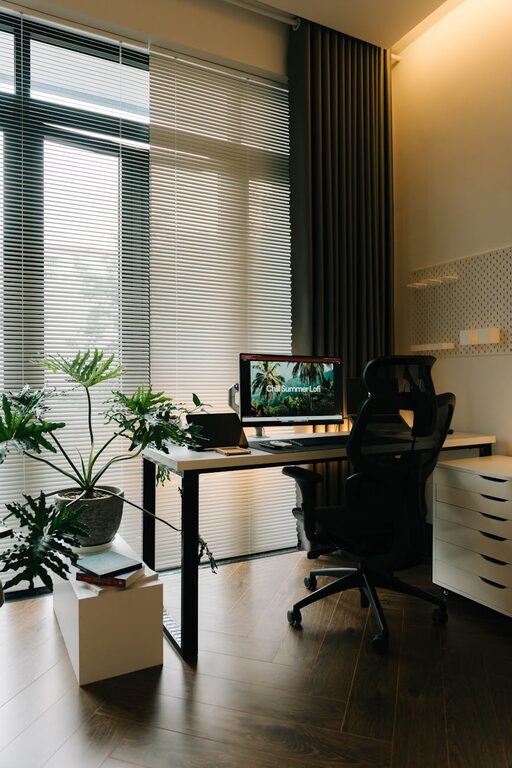
– Ergonomic Chair: Invest in a chair that supports your lower back and promotes good posture.
– Desk: Choose a desk that fits your space and meets your needs — enough surface area for your computer, supplies, and any extra equipment.
– Adjustable Options: Sit-stand desks or adjustable chairs can help reduce discomfort.
Organize for Efficiency
A tidy, well-organized workspace saves time and reduces stress. Here are some organization strategies:
– Use Storage Solutions: Shelves, drawers, or filing cabinets keep documents and supplies orderly.
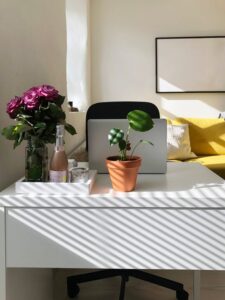
– Desk Accessories: Pencil holders, cable organizers, and trays help maintain a clutter-free desk.
– Digital Organization: Keep computer files and folders logically arranged to avoid digital clutter.
Personalize Your Space
Incorporate elements that make you feel comfortable and inspired, but avoid overcrowding your workspace. Some ideas include:
– Plants: Small indoor plants improve air quality and add a touch of nature.
– Artwork or Photos: Personal touches can boost mood and motivation.
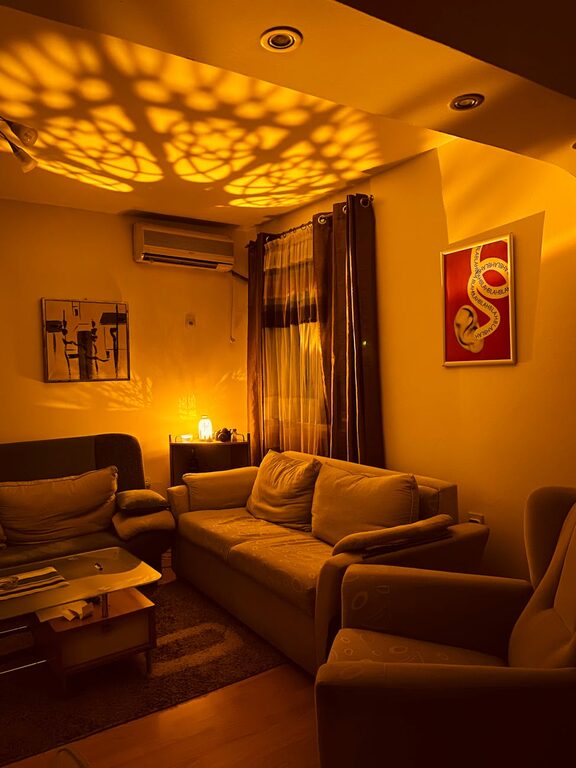
– Comfort Items: A cozy blanket, a soft rug, or cushions can enhance your comfort.
Optimize Lighting
Lighting sets the tone of your workspace and affects eye health and focus:
– Natural Light First: Position your desk to take advantage of daylight without glare.
– Task Lighting: A desk lamp with adjustable brightness aids detailed work.
– Ambient Lighting: Soft room lighting prevents eye strain during evening hours.
Minimize Distractions
Set boundaries to help keep focus:
– Noise Control: Use noise-cancelling headphones or white noise machines if needed.
– Notification Settings: Silence non-essential alerts on your devices.
– Clear Work Hours: Communicate your work times to family or housemates.
Incorporate Movement Breaks
To maintain productivity and well-being, don’t sit for too long:
– Stretch Regularly: Stand up and stretch at intervals.
– Short Walks: Brief walks inside or outside refresh your mind.
– Use Standing Options: Adjustable desks can help alternate between sitting and standing.
Maintain a Healthy Work-Life Balance
Creating a separate, dedicated workspace helps psychologically separate work from personal life. When your day ends:
– Clear Your Desk: Tidy up your space to signal the end of work.
– Power Down Electronics: Turn off work devices to disconnect.
– Change Environment: Spend time in other parts of your home or outdoors to unwind.
Final Thoughts
Designing a cozy and productive home workspace doesn’t require a major renovation. Small but thoughtful adjustments—like improving lighting, organizing clutter, and adding personal touches—can transform your work environment. By focusing on comfort and functionality, you’ll create a space that supports both your well-being and your professional success.
Experiment with these tips and adapt them to your needs. Over time, your home workspace will become a place you enjoy being and a hub of productivity.